
Dive Health & Safety
Smoking and scuba diving: what are the risks?
Diving medicine experts advise against combining smoking and diving. Smoking impairs how the airways clear mucus, and thick mucus can trap air in the lungs during ascent — a risk for lung injury. It also raises carbon monoxide in the blood. There's no clear evidence it makes decompression injury more common, but when it happens it tends to be more severe in smokers.
By 71 Guardians · Published 19 Oct 2026
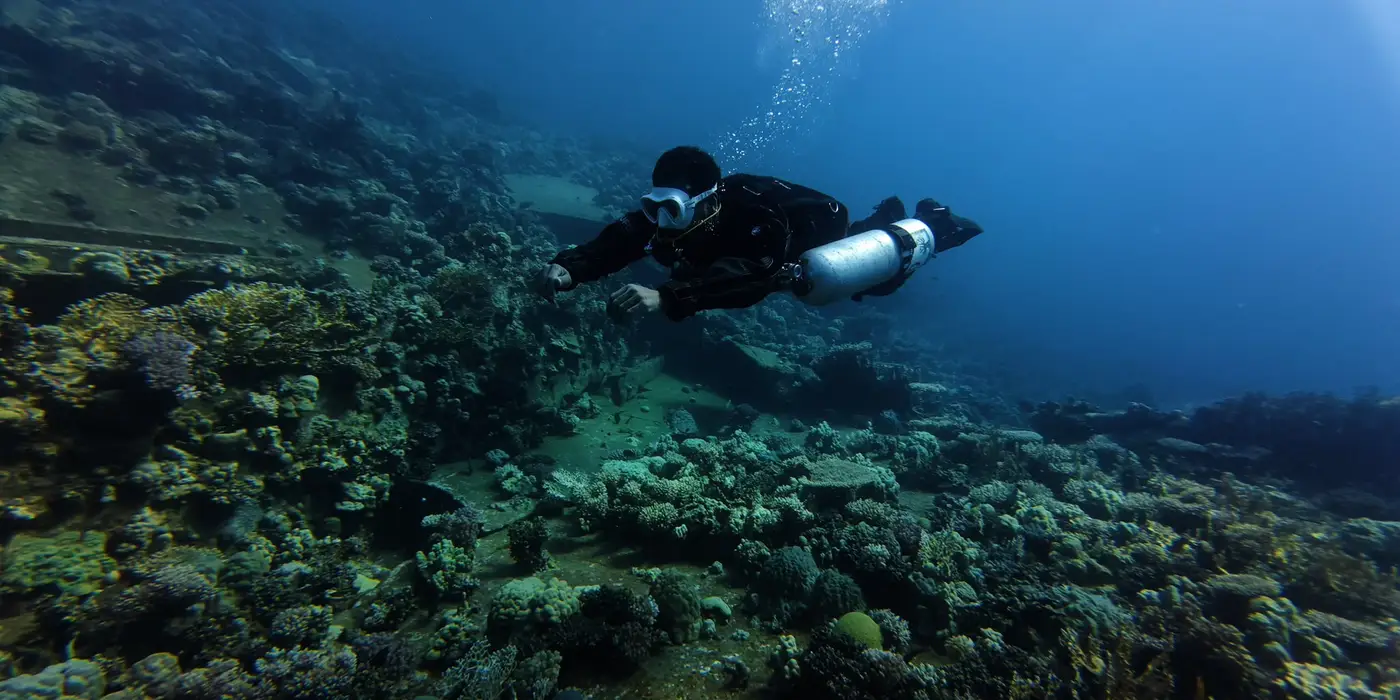
How does smoking affect a diver's lungs?
In DAN's Alert Diver, experts explain that smoking paralyses the tiny hairs (cilia) that clear the airways, so mucus builds up. Thick mucus can block small airways and act like a one-way valve — letting air in but not out on the ascent — which can over-expand part of the lung and risk an arterial gas embolism.
What else does it change?
Smoking raises carbon monoxide and lowers oxygen in the blood, and narrows blood vessels, which the article links to slower elimination of nitrogen after a dive. It's also a risk factor for more severe symptoms if decompression injury occurs.
What do the experts advise?
They advise against smoking and diving. If you do smoke, one expert recommends not smoking immediately before and after a dive; long-term smokers should have their lung function tested.
Frequently asked questions
Can I smoke between dives?
DAN's experts advise against it — abstain immediately before and after diving.
Does smoking cause the bends?
There's no clear evidence it makes decompression injury more frequent, but it's linked to more severe symptoms when it happens.
Questions before you dive with us?
Message our team on WhatsApp — we're divers in Hurghada and happy to help.
Chat with us on WhatsAppSources
- Tobacco, Marijuana and Asthma — Alert Diver — Divers Alert Network (DAN)